Industrial Decolorization: Activated Carbon & Ion Exchange Solutions

In pharmaceutical manufacturing, food and beverage production, cosmetics, and environmental remediation, decolorization is a critical purification step that removes unwanted pigments and colored impurities from liquid products and process streams. Achieving efficient color removal while maintaining product quality and minimizing operational costs defines success in these applications.

What this article covers:

  • What is industrial decolorization with activated carbon and ion exchange?
  • Which industries use decolorization processes?
  • How does Rotating Bed Reactor technology compare to stirred tanks and fixed bed reactors?
  • How to eliminate filtration steps and reduce decolorization processing time?
  • How to scale decolorization from lab to production?

What is decolorization?

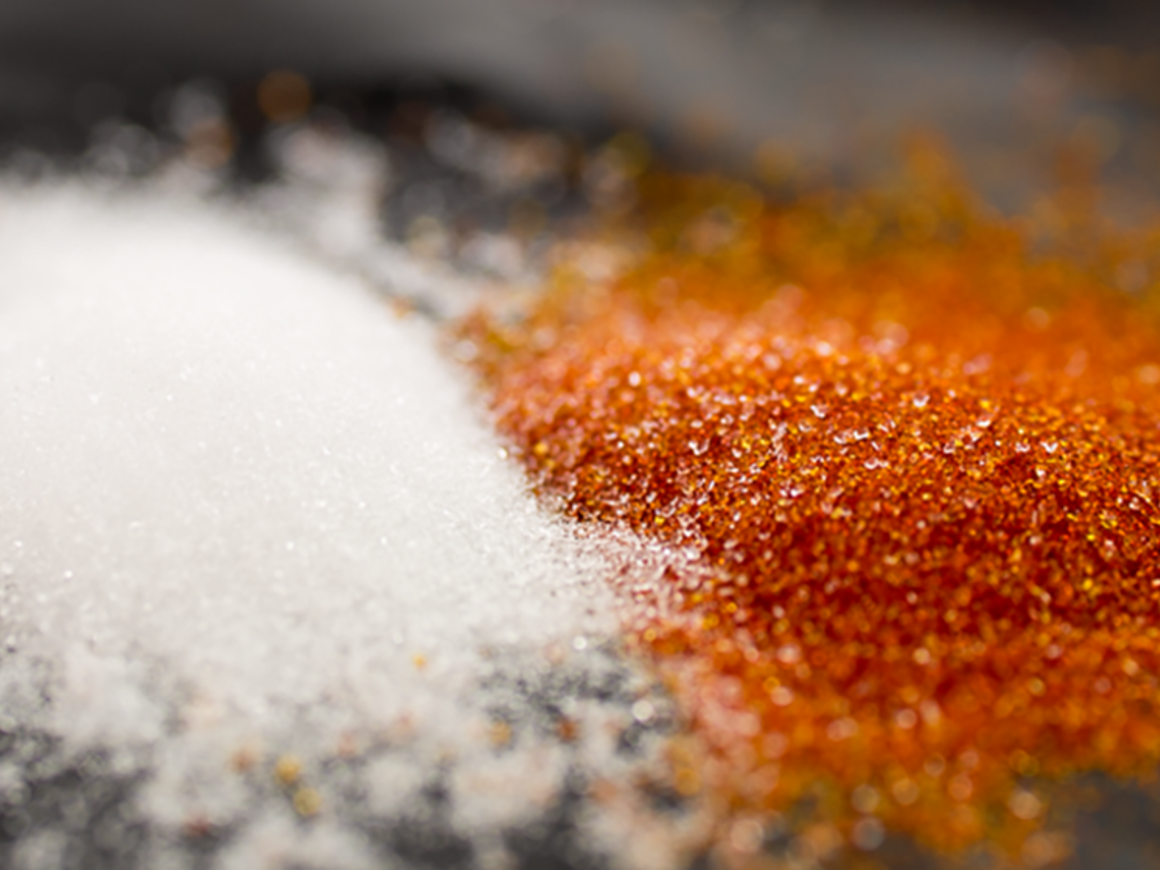
Decolorization is the process of removing colored compounds and impurities from liquids through adsorption. Activated carbon and ion exchange resins are the most common solid-phase materials used for this purpose, capturing ionic and organic colorants through surface interaction and pore entrapment.

Applications across industries

Pharmaceutical and API manufacturing

Remove color impurities from intermediate and final API solutions while preserving product purity and extending adsorbent lifetime. Learn more about production-scale activated carbon decolorization.

Food, beverage, and cosmetics

Decolorize natural oils, botanical extracts, and viscous feedstocks efficiently—including challenging applications like cannabis extracts and specialty ingredients. See how the RBR handles viscous liquid decolorization.

Environmental and water treatment

Deploy mobile or in-tank systems for contaminated water treatment, wastewater remediation, and recirculation of out-of-spec production batches. Discover mobile reactor solutions.

Process intensification

Integrate decolorization into continuous or connected systems using compact RBR units that process large volumes with minimal footprint. Explore high-throughput processing systems.

Decolorization with Rotating Bed Reactor technology

Traditional decolorization methods using stirred tanks or fixed bed reactors face significant limitations. Stirred tank reactors cause mechanical damage to adsorbent particles, creating fines that require time-consuming filtration, while fixed bed reactors often limit throughput due to low flow rates. Both approaches extend processing time and increase operational costs.

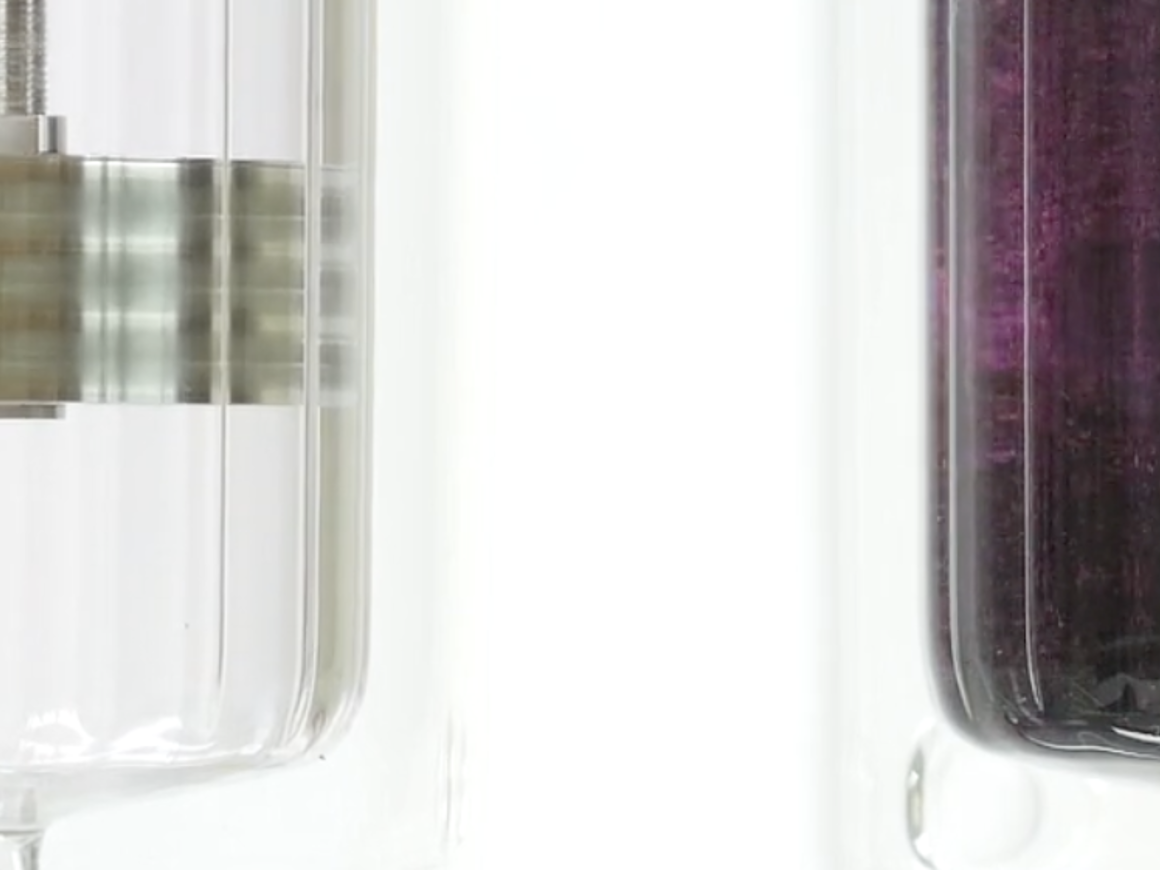
SpinChem's Rotating Bed Reactor (RBR) technology delivers a faster, cleaner, and more economical alternative. In direct comparisons with fixed bed reactors, the RBR achieves the same decolorization level in 60% less time, or can reduce adsorbent loading by 50% while maintaining the same processing time.

Key advantages of RBR technology for decolorization:

Protected solid phase

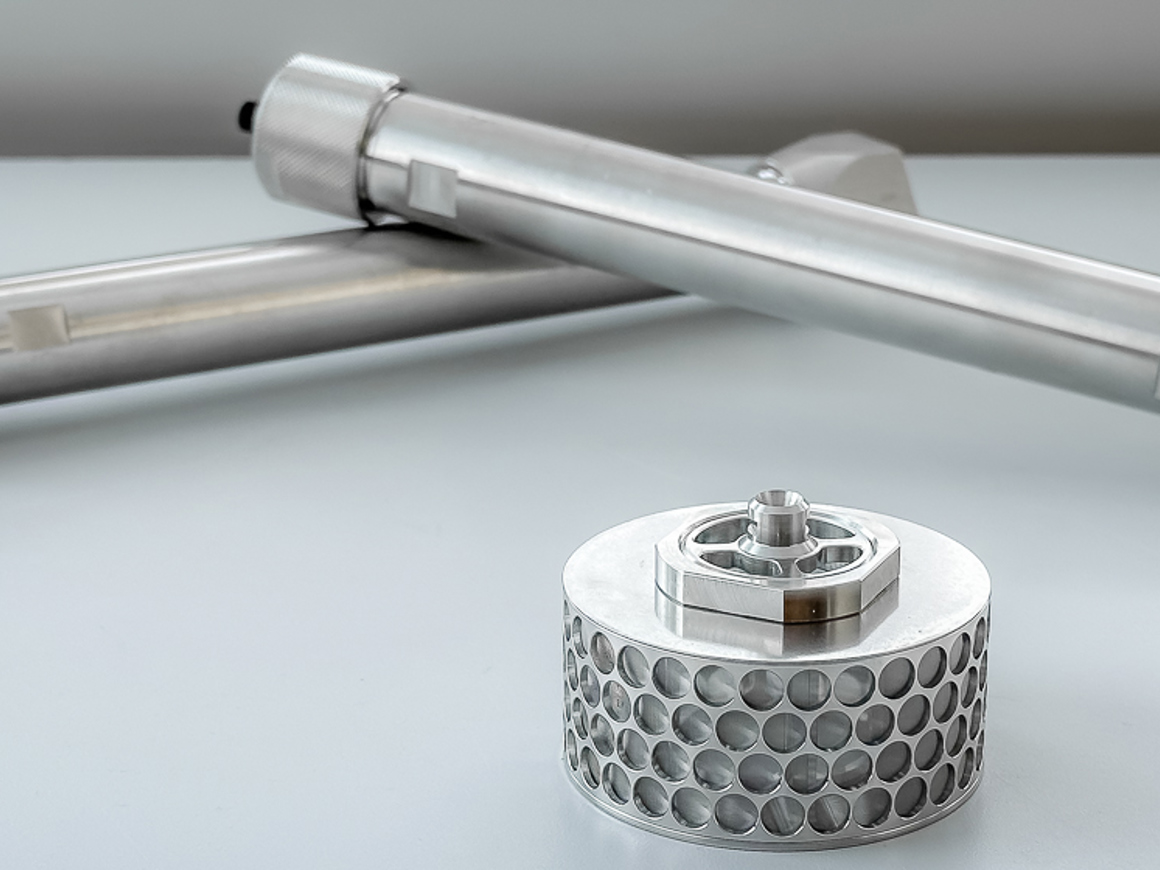
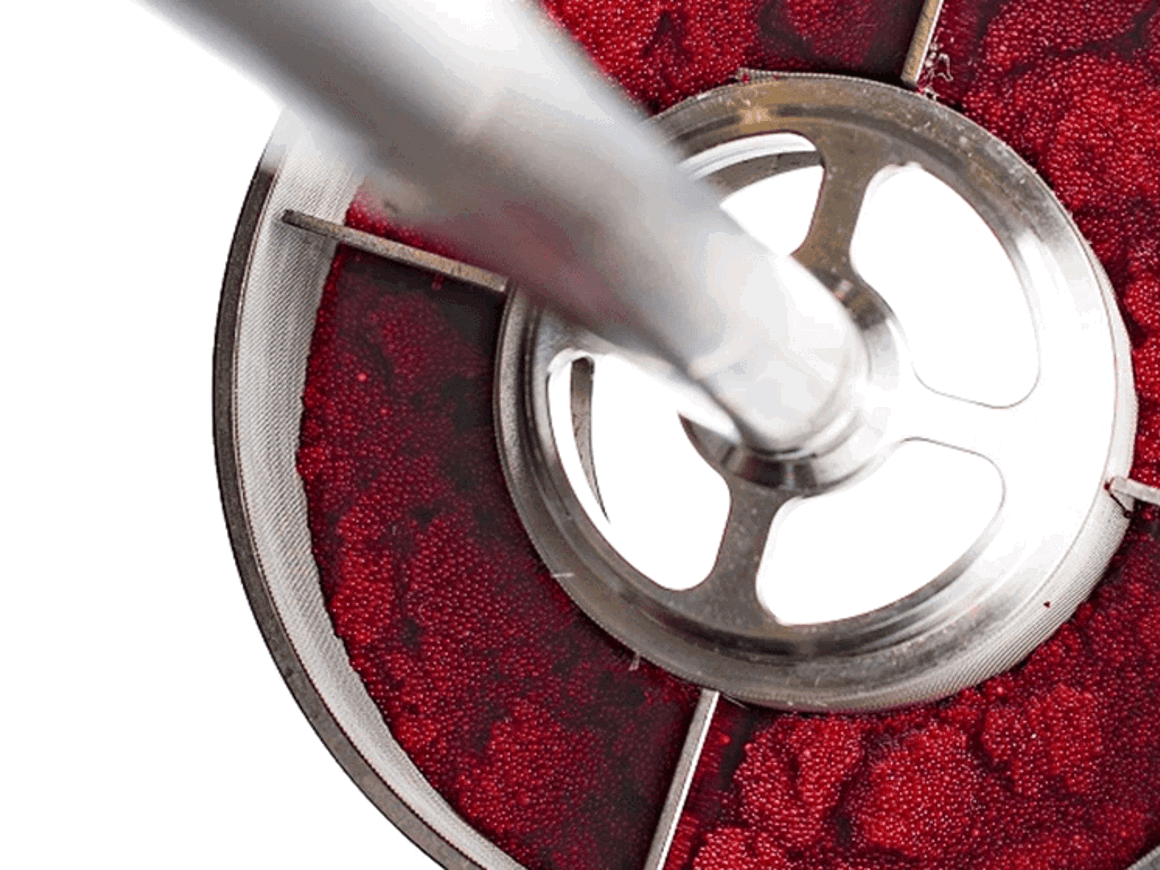
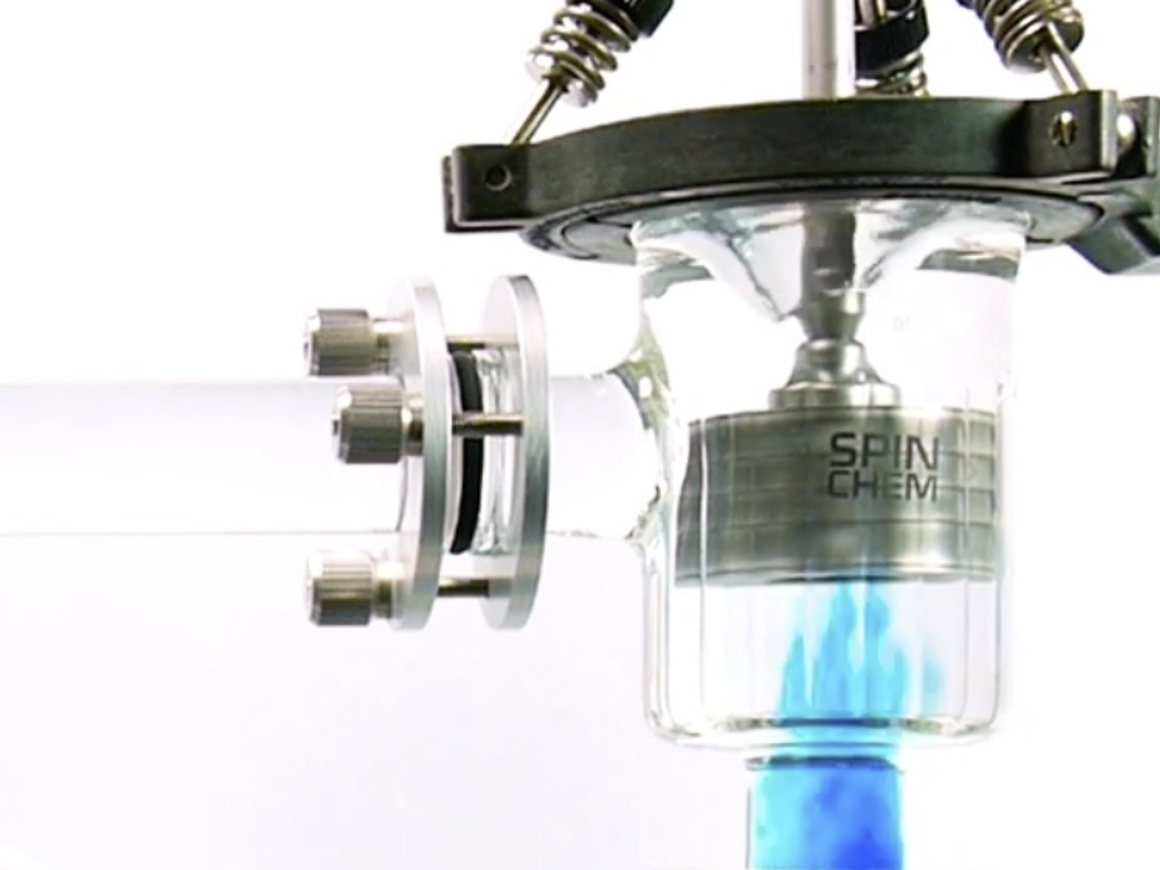
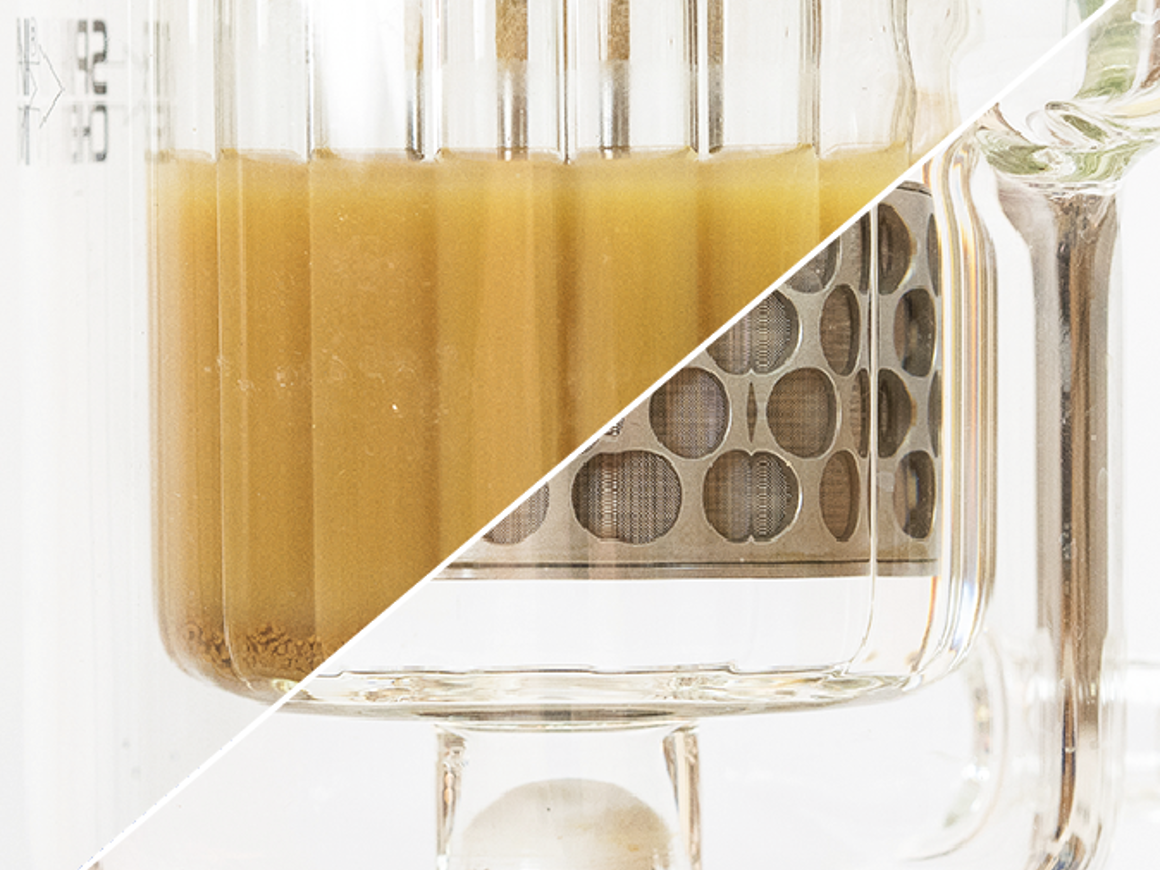
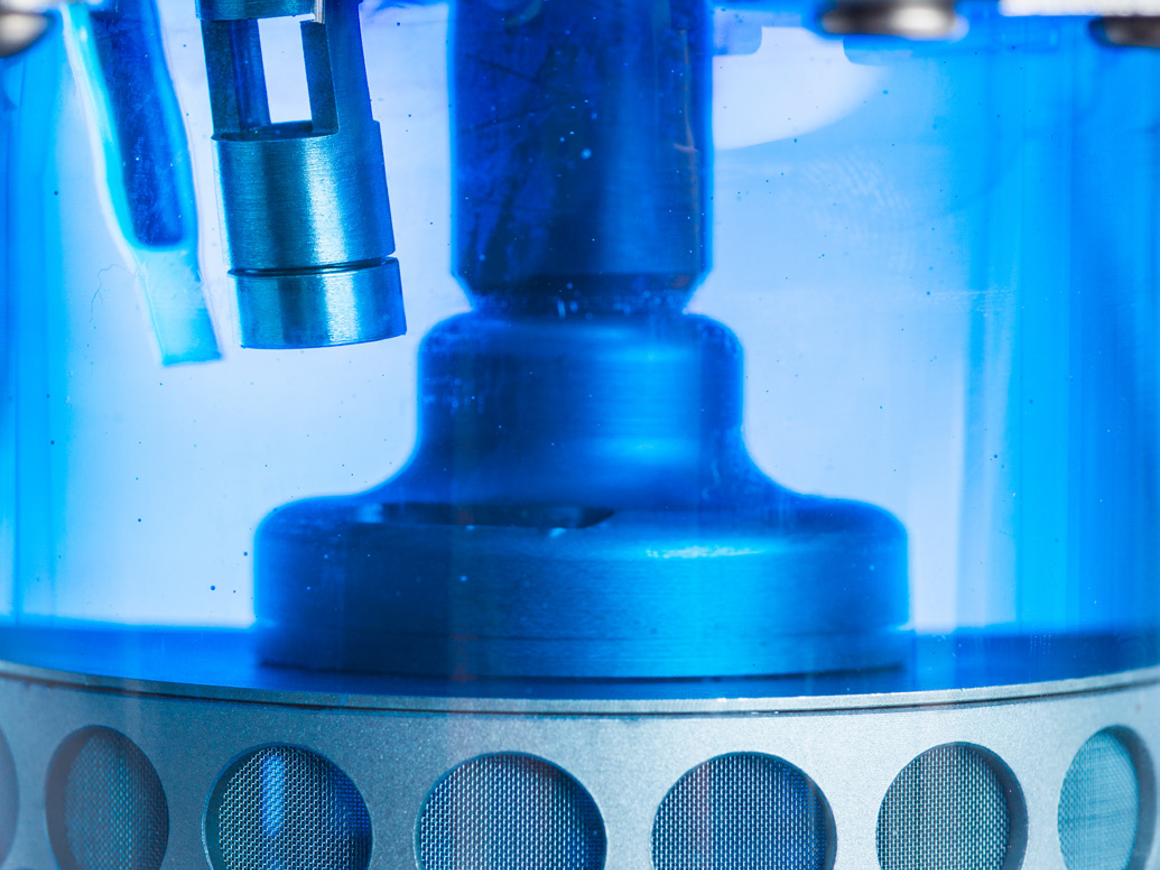
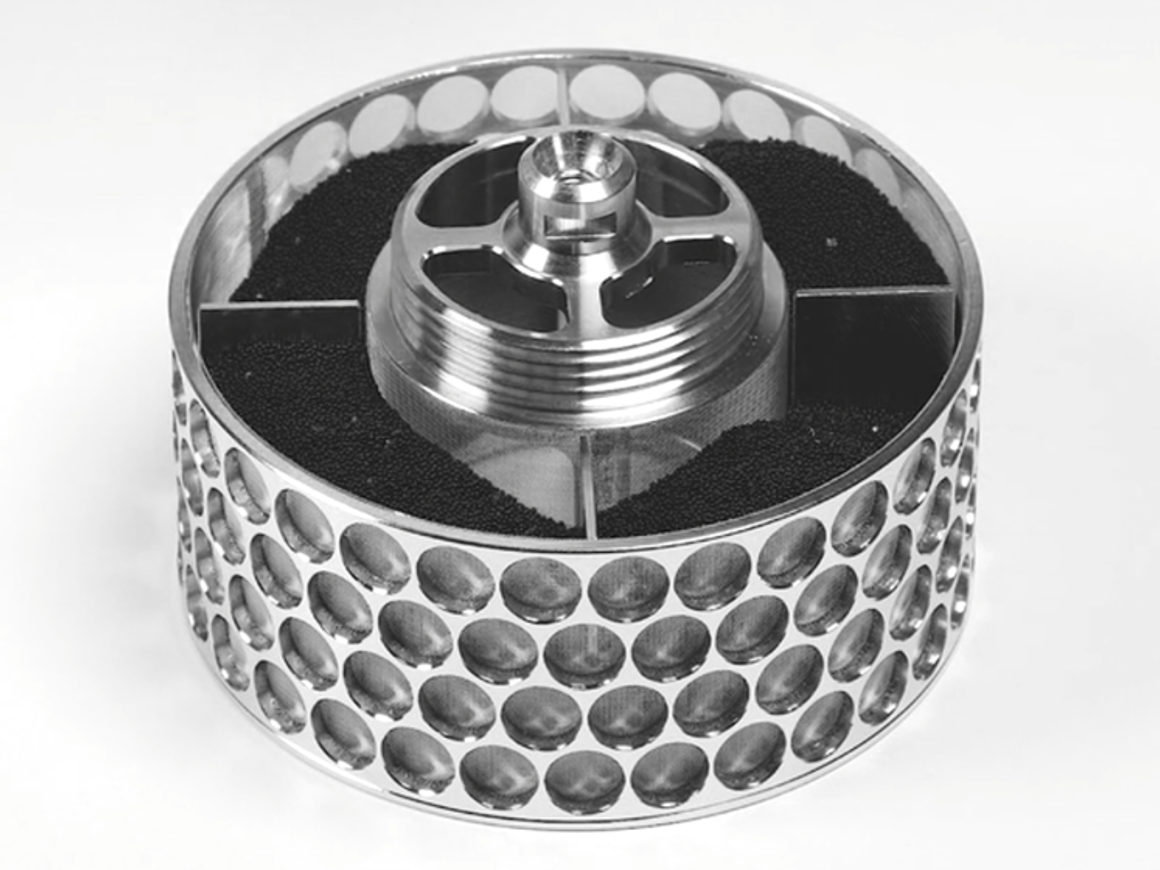
The RBR contains activated carbon or ion exchange resin inside a rotating cylinder, eliminating mechanical grinding and the formation of fines that complicate filtration.

Enhanced mass transfer

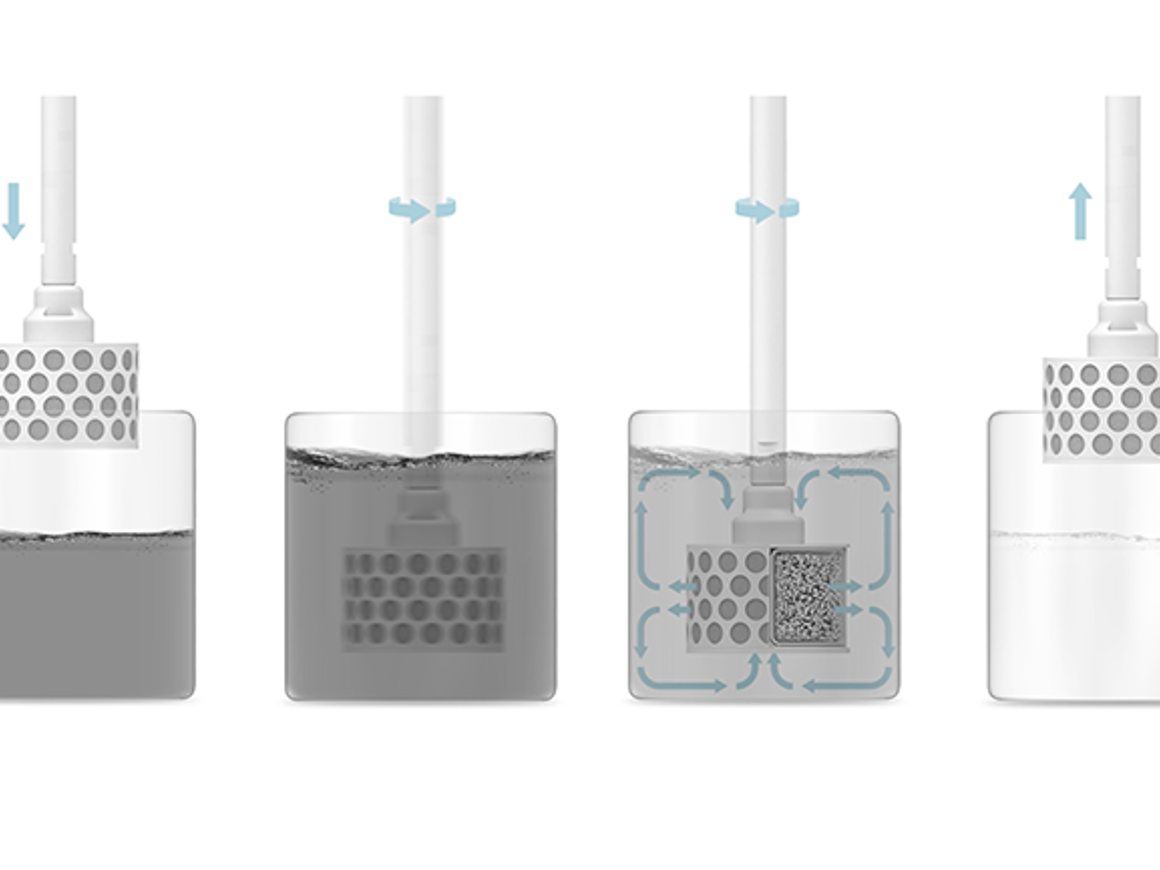
Rotation generates continuous flow through the packed bed, achieving up to 10x higher removal levels compared to conventional stirred tanks, even for challenging viscous solutions.

Elimination of filtration

With solid phase fully contained and protected, product can be drained directly after treatment. No filtration step required.

Scalable from lab to production

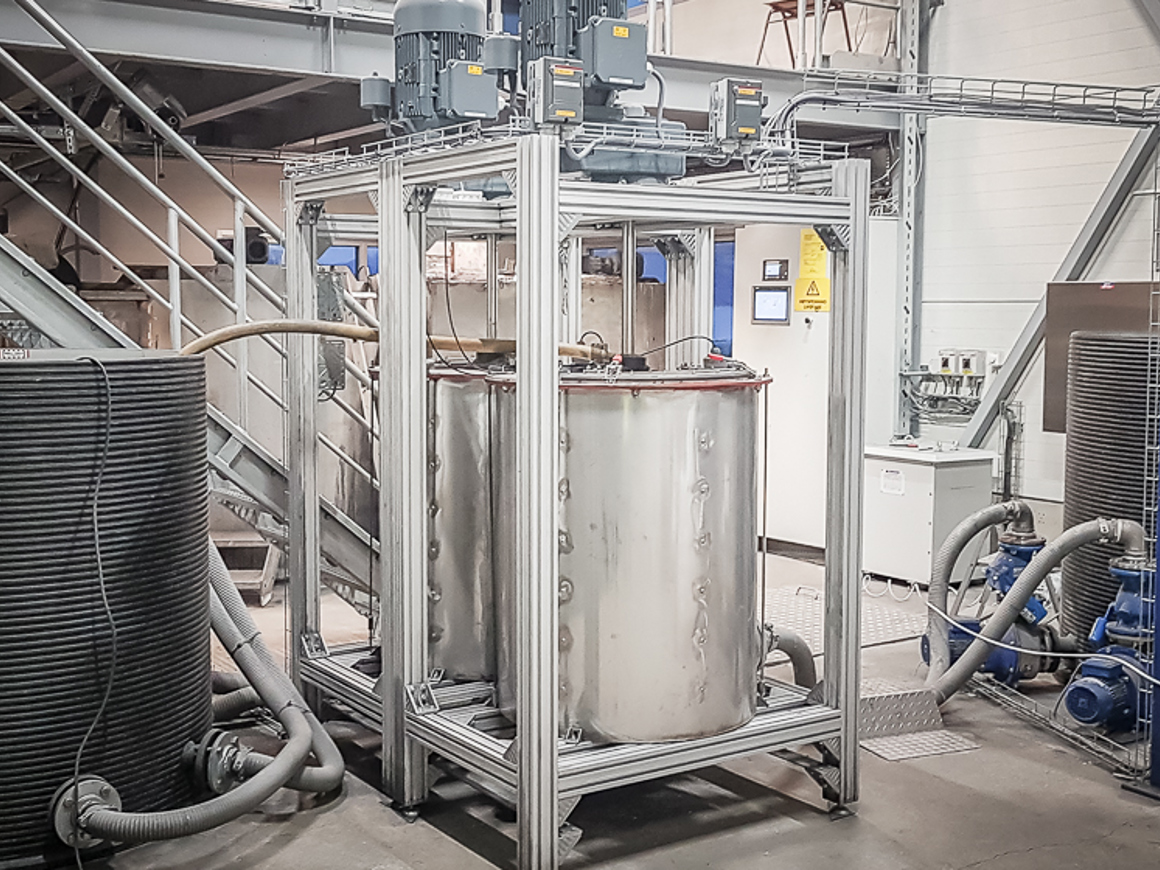
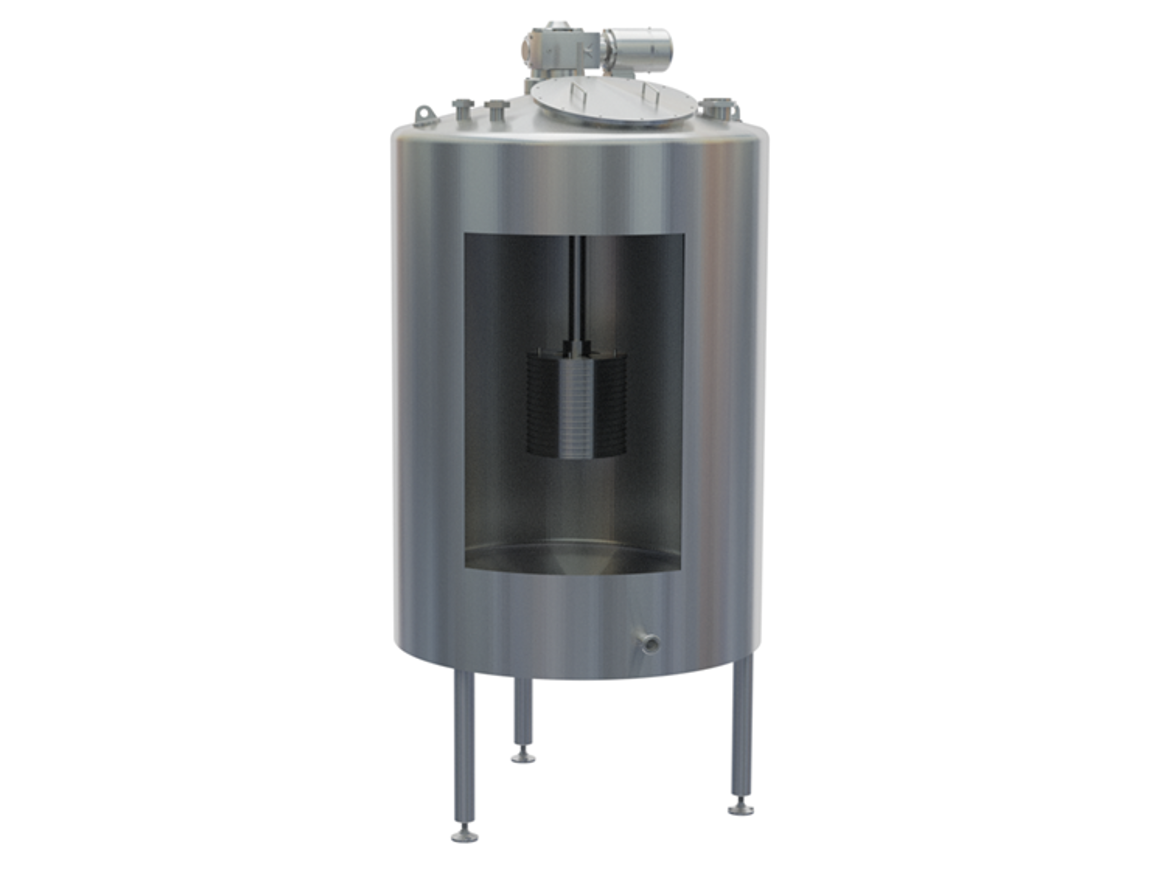
The same technology scales seamlessly from benchtop screening to industrial volumes exceeding 100 m³, with proven performance in mobile systems and large-scale 7,000 L deployments.

Why choose Rotating Bed Reactors for decolorization?

Companies facing regulatory compliance requirements, sustainability mandates, and cost pressure benefit from RBR technology through:

  • Faster processing: Up to 60% time reduction compared to batch reactors
  • Lower operational costs: Extended adsorbent lifetime and eliminated filtration steps
  • Higher product yield: Reduced material loss and simplified downstream processing
  • Improved sustainability: Reusable solid phase and reduced waste generation
  • Easy integration: Modular systems fit existing infrastructure without major capital investment

Whether you need to meet stringent pharmaceutical purity standards, recover off-spec production batches, or implement cost-effective purification at scale, rotating bed reactor technology delivers measurable improvements in decolorization efficiency.
Ready to optimize your decolorization process?

Practical applications – case studies & application notes

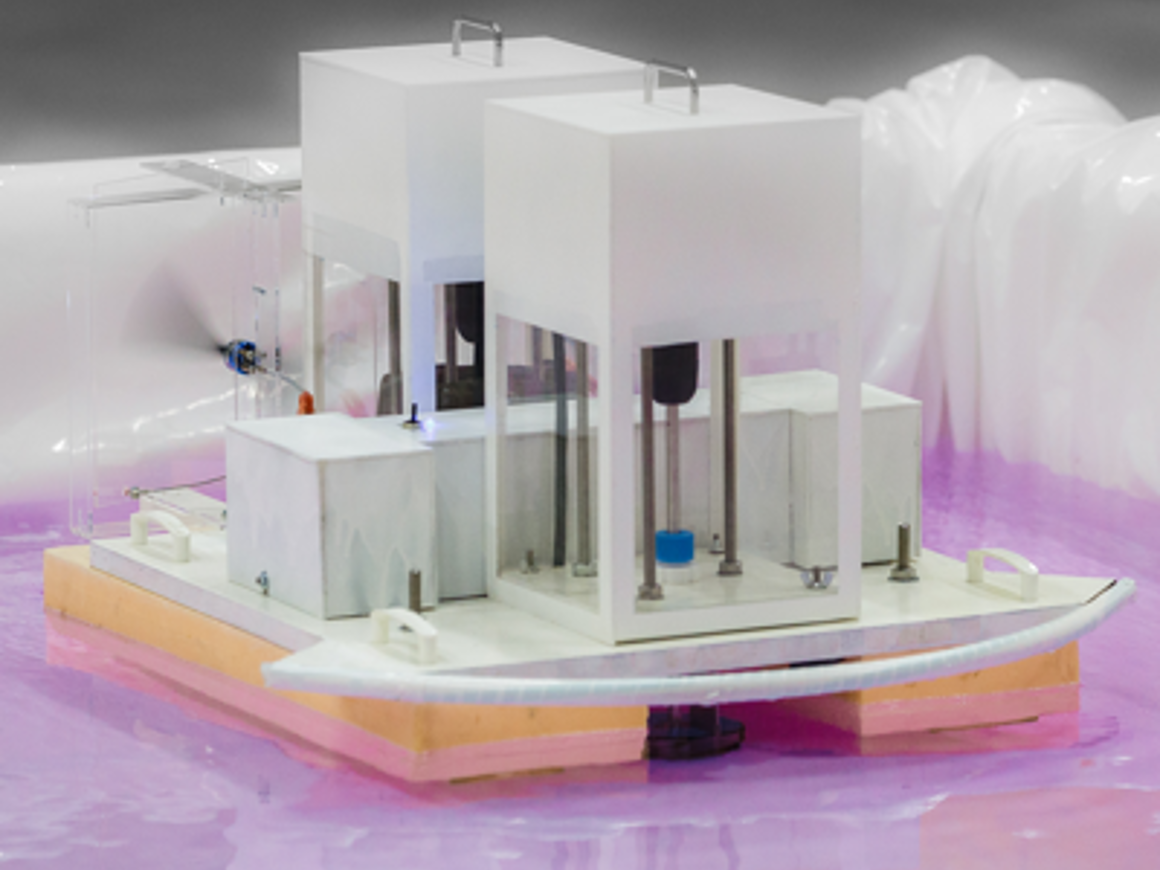
Remote controlled raft for treatment of large volumes of water

Industries that generate large quantities of liquid waste, e.g. the nuclear energy or mining industries, are familiar with the accumulation of water in ponds, both indoor and outdoor. The treatment of the water necessary for release can seem as an insurmountable challenge, both based on the sheer volume and on the hazards involved. Pumping the waste through a column would typically involve high pressure, while any accidental release or spillage must be avoided.

Activated carbon decolorization, fast and without filtration

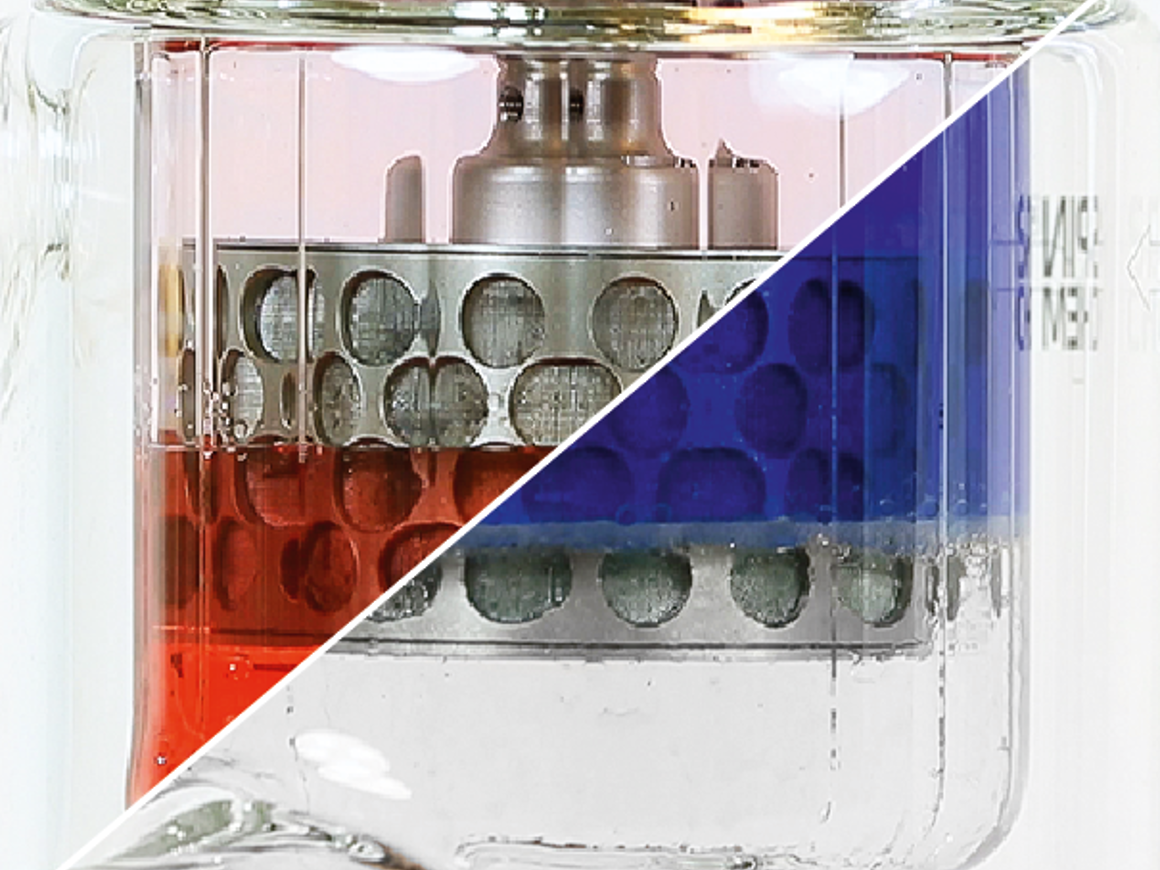
Activated carbon is a common choice for removing impurities or capturing compounds from a product batch. However, the carbon may itself foul the product and be difficult to separate. The rotating bed reactor offers a clean way to deploy activated carbon that removes the need for time-consuming filtration and extends the lifetime of the solid phase.  

Automatic processes for efficient production

Automation of large-scale processes is often a requirement for economically viable chemical processes. The benefits of scale are best harvested at high throughputs and 24/7 operation. This leads to the demand for process automation, and the elimination of hands-on work.

Dramatically improved deionization with a rotating bed reactor

Removing ions from liquids is common in industry and society. Ions are remediated in applications ranging from the production of pharmaceuticals to the treatment of communal waste streams. Likewise, the nuclear energy sector deals with the removal of ionic radioactive substances from water on a daily basis.

Decolourization more efficient in rotating bed reactor than in fixed bed reactor

A fixed bed reactor (FBR), also known as a packed bed reactor or column, is a traditional technology for processes such as adsorption or heterogeneous catalysis. Achieving the required level of purification or conversion means running the liquid through the reactor at a sufficiently low flow rate, and the throughput of a fixed bed reactor is therefore often limited.

Rotating bed reactor faster than stirred tank reactor for a mass transfer limited reaction

Mass transfer limited reactions can create problems for applications like the synthesis of chemical products or the manufacture of active pharmaceutical ingredients. Poor yields, high side-product formation or impractically long reactions are potential issues. Efficient reactor design can greatly improve the mass transfer and remove the limitation to a minimum.

High-viscosity applications made faster

Liquids with high viscosity create problems for heterogeneous applications in traditional reactors. Packed bed reactors (columns) suffer from huge back pressures, and stirred tank reactors (STR) exhibit reduced reaction rates due to poor mixing. Both issues lead to longer processing times and expensive operations.

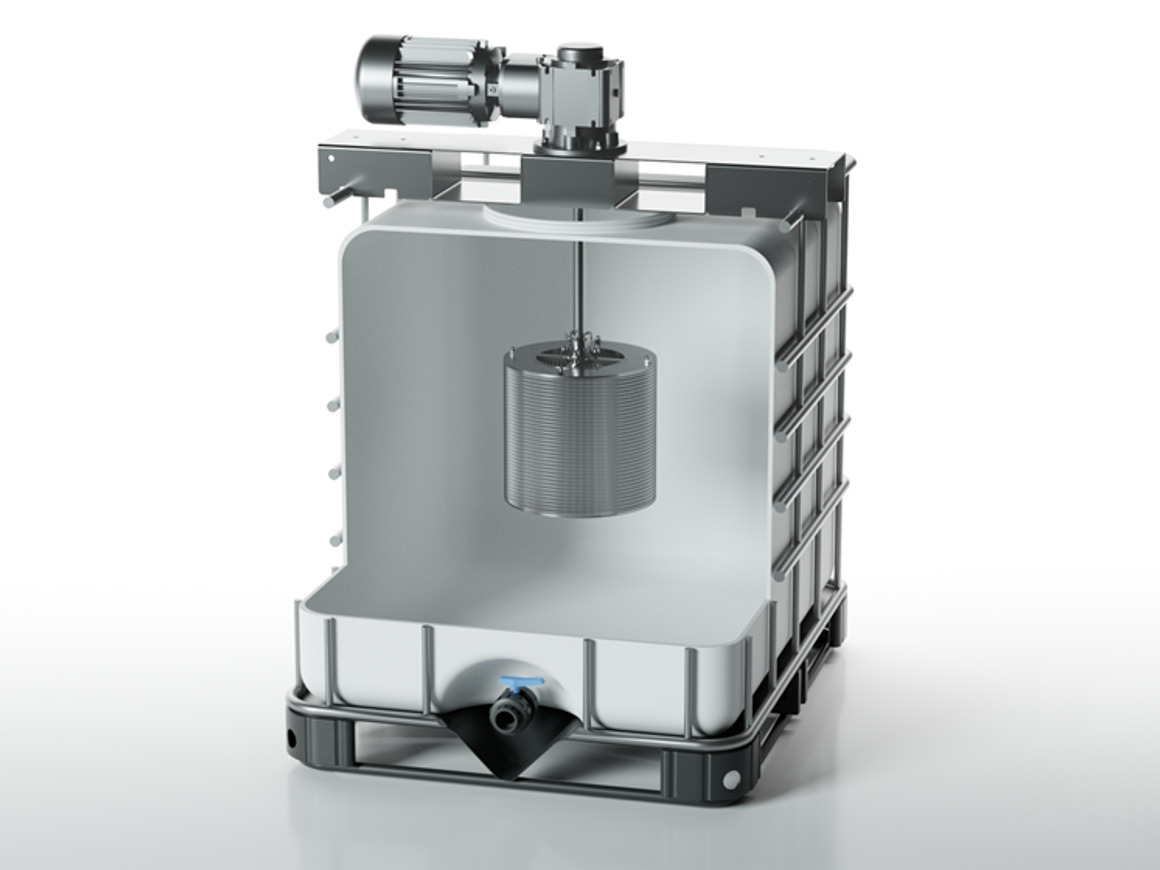
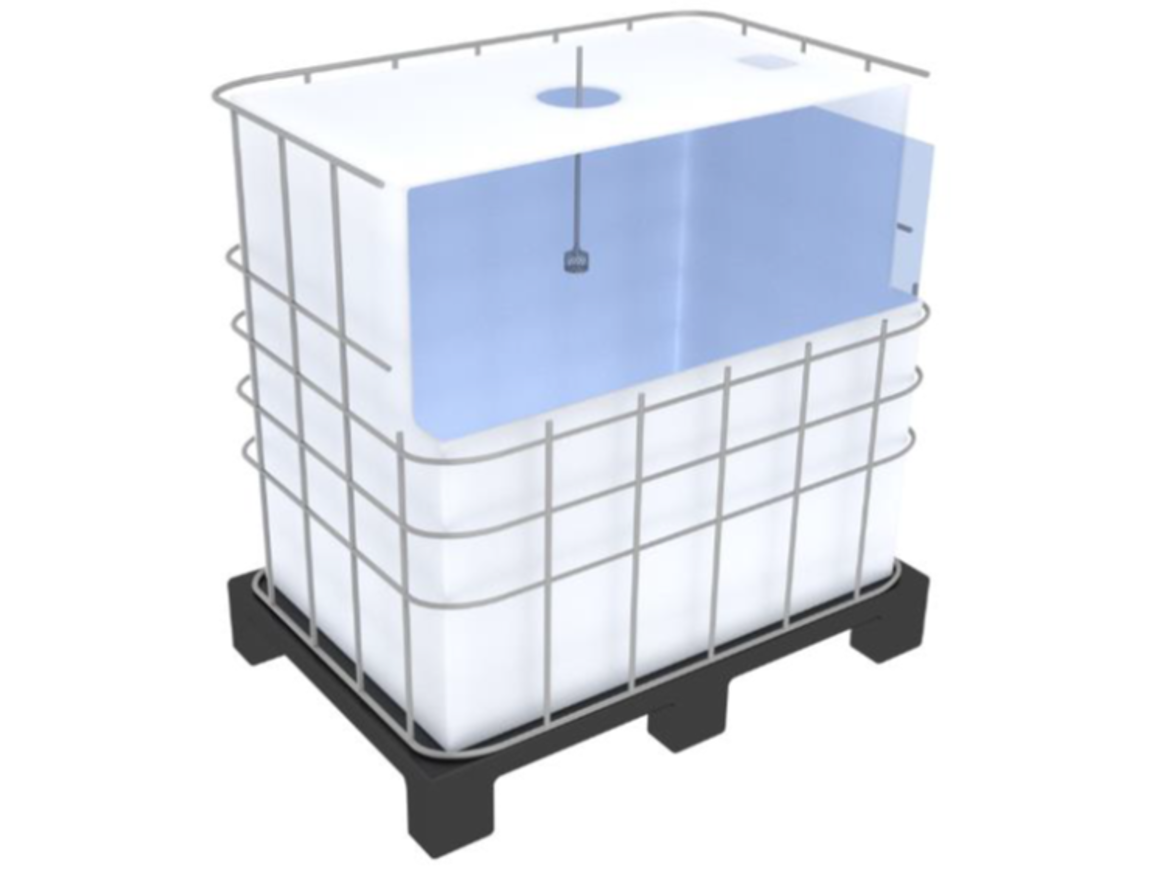
Processing an IBC with a rotating bed reactor

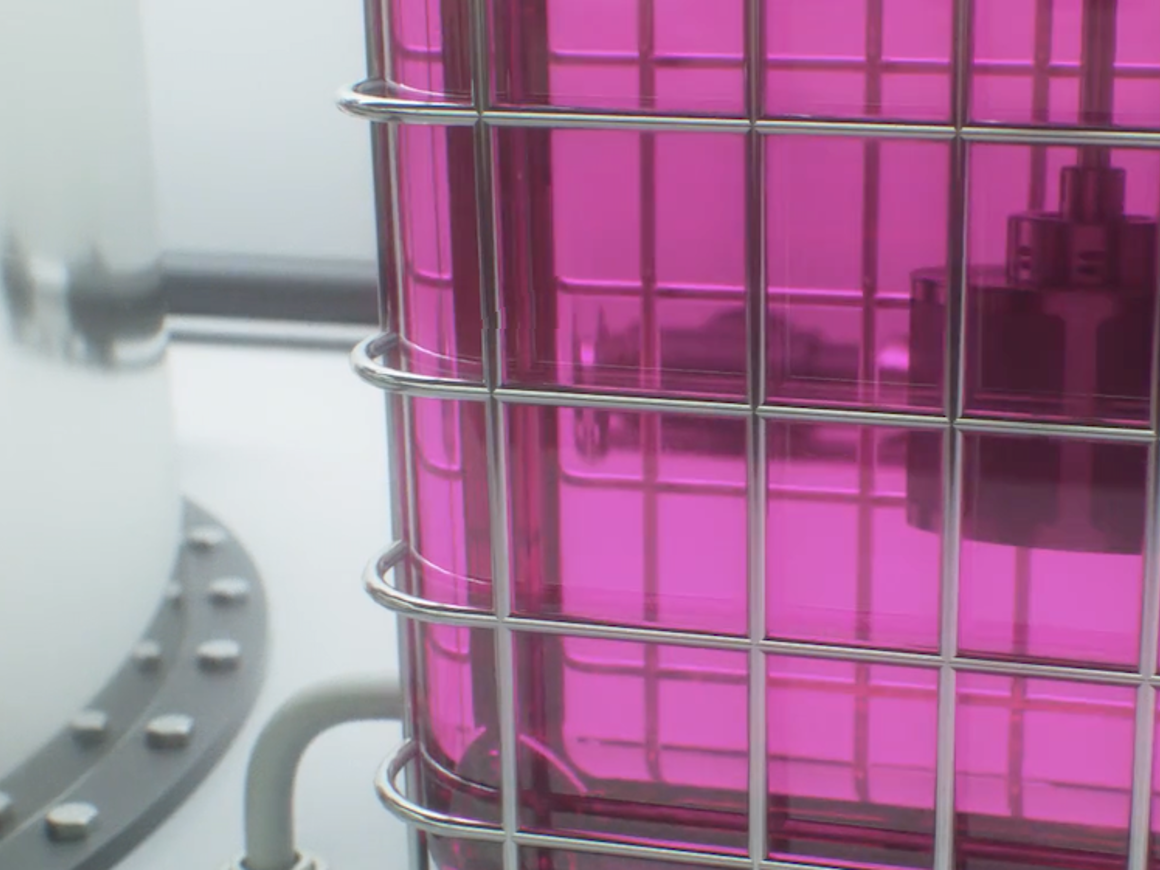
The IBC, also called “tote”, is a common storage container in many industries. In a chemical manufacturing plant or a waste treatment facility there might be hundreds of these or more, with a capacity of approximately 1,000 liters (275 gallons). Whether they are filled with raw material, finished product or waste, the transfer of liquids to and from IBCs can be cumbersome or even hazardous.

Removing organic molecules from large volumes of water

Organic molecules contaminate many products and waste streams, and are a common target for remediation. Activated carbon is a widely used adsorbent to capture organic molecules from aqueous solutions (like wastewater), and offers a very wide range of applications thanks to its unspecific method of adsorption. At the same time, activated carbon can cause fouling of another kind by the particles breaking down into smaller fines. This dust-like material is very cumbersome to remove from the liquid afterwards.

Decolourization with activated carbon in a production scale rotating bed reactor

The rotating bed reactor (RBR) is a clean way to use activated carbon for purification, which eliminates the need for time-consuming filtration and extends the lifetime of the solid phase. It is available on scales ranging from milliliters to hundreds of cubic meters and offers faster decolorization, elimination of filtration, and extended adsorbent lifetime.

Deployment of Rotating Bed Reactors at Industrial Scale

Ion removal in 7000 L of water using the SpinChem® RBR S100

Water with elevated ion concentrations is a common challenge in industries such as the nuclear energy sector. Whether it’s ordinary heavy metals, radionuclides, or any other ions, these can normally be captured by a properly selected ion-exchange resin. The deployment of the resin can however be a challenge, especially at large scale.

Improving reactions in emulsions using a rotating bed reactor

When working with an emulsion (and particularly with a heterogeneous catalyst) the mass transfer between the phases is critical. Insufficient mixing leads to lower interfacial area per volume, and in turn to poor mass transfer across the phases.

In-tank deployment of large scale rotating bed reactor

How can this process be scaled up? This is perhaps the most important question to consider when developing a chemical process. If it cannot be done on large scale, all the time and resources invested in laboratory work will be unrewarded. Pumping liquids through massive columns or separating solids from a large batch can be unsurmountable challenges that bring a halt to a new project before it has even left the starting blocks.

Rotating bed reactors completely avoid grinding of molecular sieves

When using of solid-phase catalysts or adsorbents in reactors, the physical degradation of the materials is a common problem. The traditional stirred tank reactor inflicts mechanical damage to the particles, which causes attrition, fines that are difficult to separate, and loss of the functionality of the solid-phase.

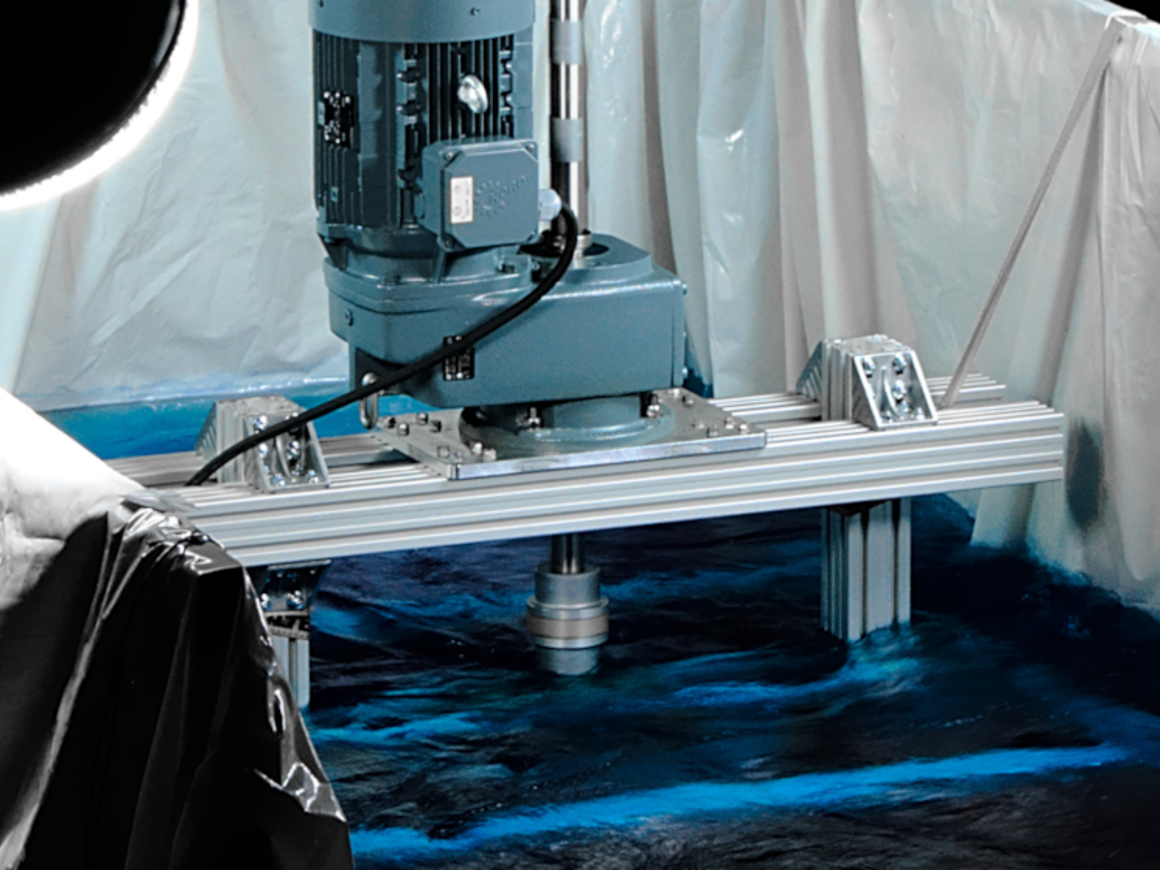
Decolorization at 7,500 L using a mobile reactor

Any producer might need to modify their process because of variations in the available materials or changing demands on the product. However, installing new equipment in a production plant is a costly, time-consuming, and disruptive process. Modifying existing infrastructure often requires extensive downtime, regulatory approvals, and significant capital investment.

Treatment of Viscous Solutions in a Mettler-Toledo EasyMax™ 102

Heterogeneous reactions involving viscous solutions put high demands on equipment and materials. Columns face high pressure drops and require powerful pumps and durable solid phase particles. Stirred tank reactors do not face the same problem, but the high liquid viscosity and low particle density will have a negative impact on reaction kinetics and require tedious filtration to separate the solids afterwards.

How the loading of solids influences reaction speed

Sometimes you don’t want to pack the entire rotating bed reactor full with your solid-phase material. Fully loading might simply be wasteful, or you may want to experiment with your reaction conditions. But how does the amount of solids in the rotating bed reactor influence the reaction performance? Can you use only 10% of the full capacity?

Decolourization of product residues

In the manufacture of liquid products, they may be coloured with appealing and brand-building colourants. During changes of batches, downtimes, or other regular day-to-day operations, coloured product residues are washed out of the process line. These are ideally recycled to minimize waste and maximize utility. For this, however, they need to undergo decolourization. Below we present a customer story in which the SpinChem RBR technoloy was deployed to decolourize viscous product residues.