
AI Adoption in Chemical Engineering
Reading time: ~3 minutes
Original source: AI skapar parallell studiemiljö och nya arbetssätt
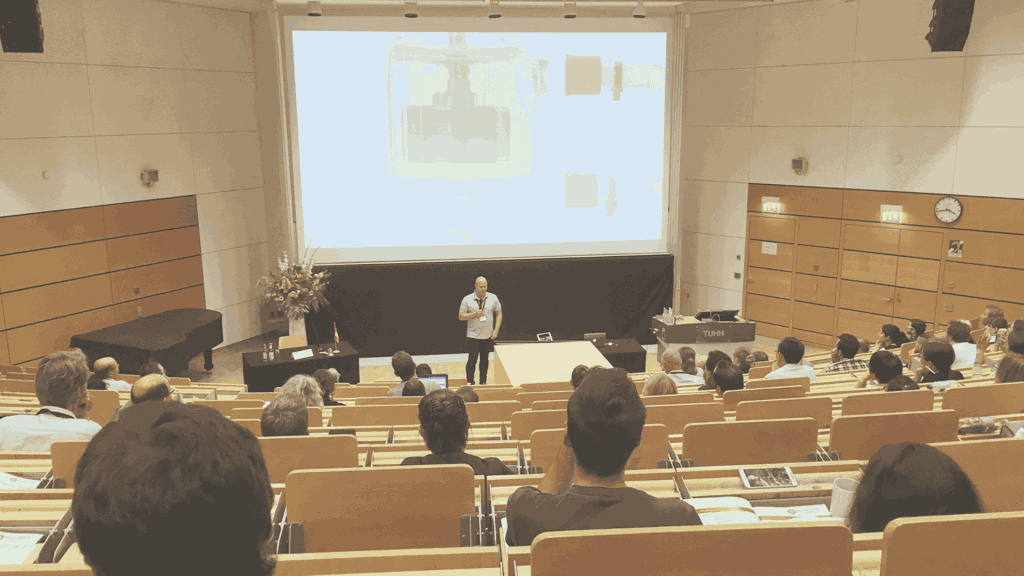
Chemical and biotech companies generate massive amounts of process data from instruments, reactions, and quality control systems. The challenge isn't data collection, but transforming years of Excel spreadsheets and reports into actionable insights.
This emerged as a central theme at a strategy day hosted by Umeå University in Sweden, where leading Swedish companies in the chemical and biotech sectors discussed their AI adoption experiences. Companies at the strategy day shared similar needs:
Nouryon, a specialty chemicals manufacturer in Örnsköldsvik, sees potential in AI for analyzing production trends, optimizing cellulose-based manufacturing, and simulating chemical processes for paint and mortar applications.
Nordic Biomarker, a biotech company specializing in analytical services, requires tools to query historical datasets and extract insights without manual spreadsheet manipulation.
SpinChem CEO Emil Byström shared how the company integrates AI across operations, from text administration and marketing to product development, project management, and quality assurance.
The common thread: companies want AI to handle data complexity so technical teams can focus on interpretation and decision-making.
How universities can prepare students for AI-enabled chemical engineering
Based on SpinChem's experience integrating AI across our operations, we see these critical areas where universities can help students build AI readiness:
1. Learn iterative prompting as a technical skill
Getting useful AI outputs requires iteration. Students should practice using AI for real work: analyzing process data, troubleshooting reactions, optimizing experiments. The real skill is built when you practice asking the right questions, providing context, and refining the queries, building on previous responses.
2. Use AI as a continuous learning partner
AI tools can function as an always-available tutor outside the classroom. Students should develop habits of using AI to explore concepts, test understanding, and work through problems when instructors aren't available. The goal is to accelerate learning, not replace it.
3. Question AI outputs
AI can sound convincing even when it's wrong. Universities should train students to verify AI suggestions against first principles, literature data, and experimental results. At SpinChem, we accelerate work with AI but always validate outputs through domain expertise.
4. Focus on speed and iteration advantages
AI's biggest value is compressing timelines. Students should practice using AI to generate multiple solution approaches quickly, explore scenarios, and iterate on designs. What took weeks can often be done in hours with the right AI approach.
5. Master the fundamentals
AI amplifies existing expertise rather than compensating for knowledge gaps. Students need solid training in mass transfer, reaction kinetics, and process design before AI becomes truly valuable. Engineers who understand the fundamentals can critically evaluate AI outputs and catch errors that might otherwise go unnoticed.
The best graduates will combine strong technical knowledge with practical AI skills. Universities that teach both will prepare students who deliver value immediately.
About SpinChem
SpinChem's rotating bed reactor technology represents a shift toward more efficient and sustainable chemical processes including synthesis, manufacturing and purification in the chemical and biotechnology industries. The company provides solutions from laboratory to production scale for customers worldwide. company.
Explore more: