"In response to the need for more sustainable practices in peptide synthesis, particularly in the context of solid-phase peptide synthesis (SPPS), this study introduces a transformative approach toward achieving sustainability. This work combines, for the first time, the use of Raman spectroscopy as a process analytical tool (PAT) for real-time monitoring and optimization of reaction steps and substitution of environmentally concerning N,N-dimethylformamide (DMF) with a green solvent mixture of dimethyl sulfoxide (DMSO) and ethyl acetate (EtOAc). Assuming that in SPPS, the synthetic intermediates are not isolated, the utilization of PAT provides robust and high-resolution analytics to enable precise control of reaction end points, which allows for timely adjustments, leading to accelerated development, reduction of waste generation, and enhanced reaction efficiency. Additionally, SpinChem, a unique design of a rotating bed reactor, is introduced as an alternative reactor, which also enables easy integration of PATs to perform solid-phase synthesis. This study provides valuable insights and practical strategies to advance sustainable peptide synthesis, offering promising solutions for a greener future in the pharmaceutical industry."
Highlights:
- This study demonstrates a significant advancement in sustainable solid-phase peptide synthesis by integrating three key innovations: Raman spectroscopy for real-time process monitoring, SpinChem's rotating bed reactor for improved mass transfer, and environmentally friendly solvent systems replacing DMF.
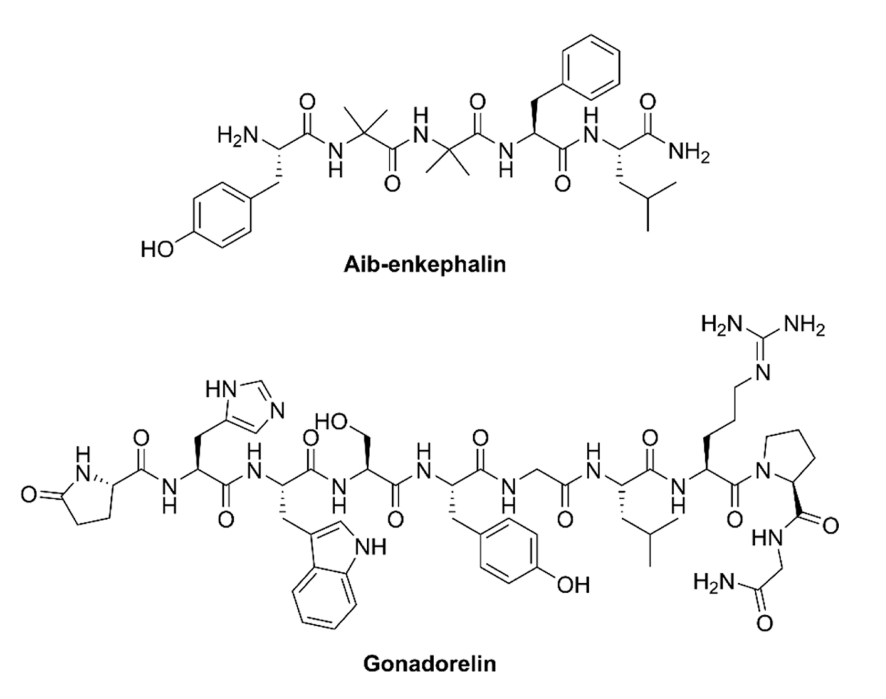
- The research team successfully synthesized two model peptides (Aib-enkephalin and gonadorelin) while achieving a 33% reduction in process mass intensity compared to conventional methods. This reduces the waste by more than one tonne per kg of product!
- The SpinChem RBR's unique design enabled seamless integration of process analytical technology, providing precise reaction control and eliminating the need for intermediate isolation steps. This combination delivered enhanced peptide purity, reduced waste generation, and accelerated development timelines, establishing a practical pathway toward greener pharmaceutical manufacturing.
Authors & Research Group:
Institution: EUROAPI, Chemical Sciences & Data Department, research focus on sustainable peptide synthesis, process analytical technology, green chemistry, and pharmaceutical manufacturing optimization
Principal Investigator: Hélène Adihou, Ph.D. – Group Leader
Research Team:
Eugenie Fournier, LinkedIn
Arjun Vijeta
Oleg Babii, LinkedIn
Mohamad-Jamal Wawi, LinkedIn
Bernd Henkel, LinkedIn